
Complete Guide to Cybersecurity Awareness
Author: James Smith;
Source: elegantimagerytv.com
Welcome to the Cybersecurity Awareness Knowledge Hub, a place where individuals, employees, and small businesses can learn how to recognize and respond to modern cyber threats. Cybersecurity awareness is an essential part of staying safe online, helping people understand how cyberattacks happen and how sensitive information can be protected.
This website focuses on explaining cybersecurity in a clear and practical way. Many users encounter unfamiliar concepts when learning about phishing, scams, malware, ransomware, and authentication methods. The goal of this resource is to make these topics easier to understand by providing straightforward explanations of how cyber threats work and how they can be prevented.
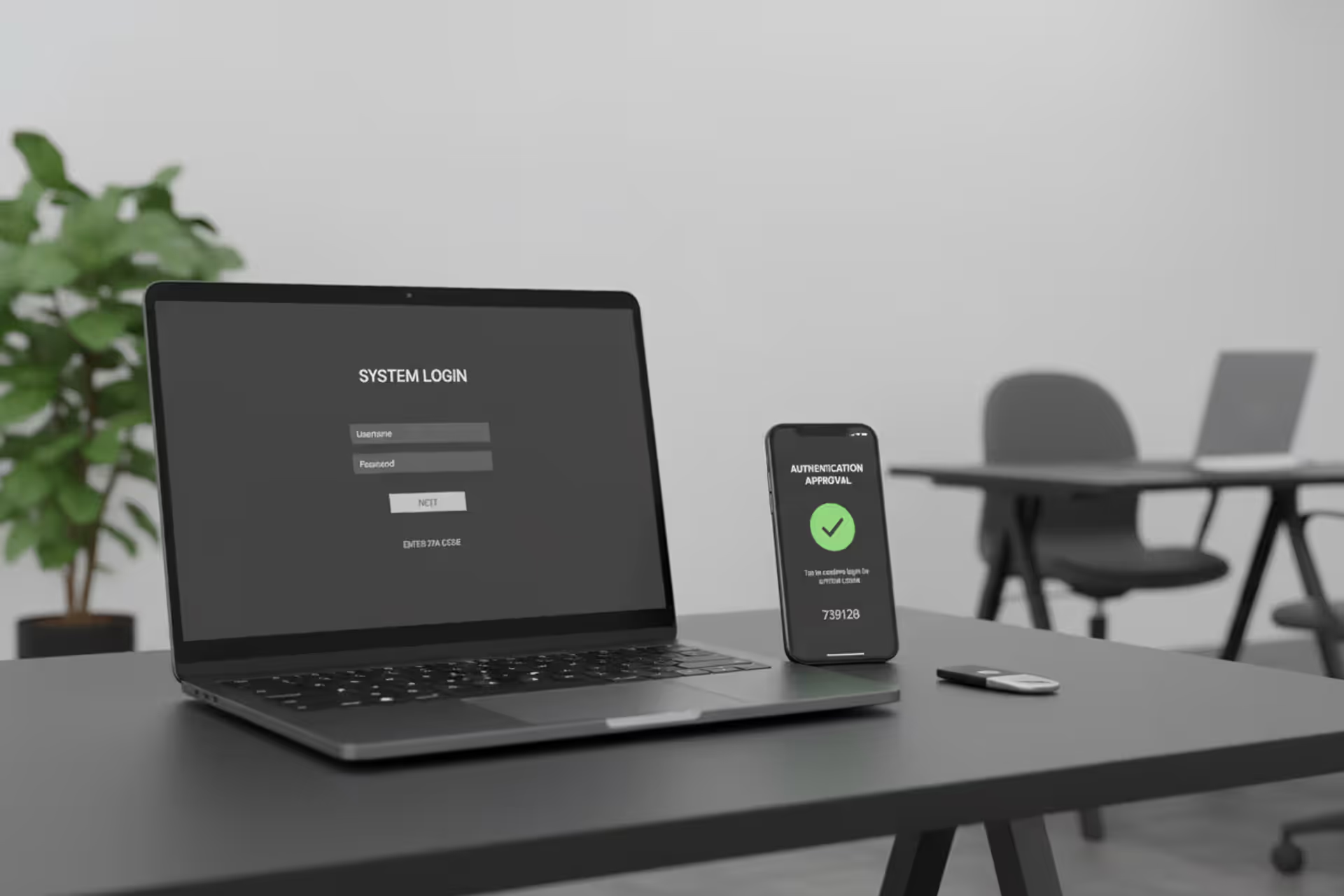
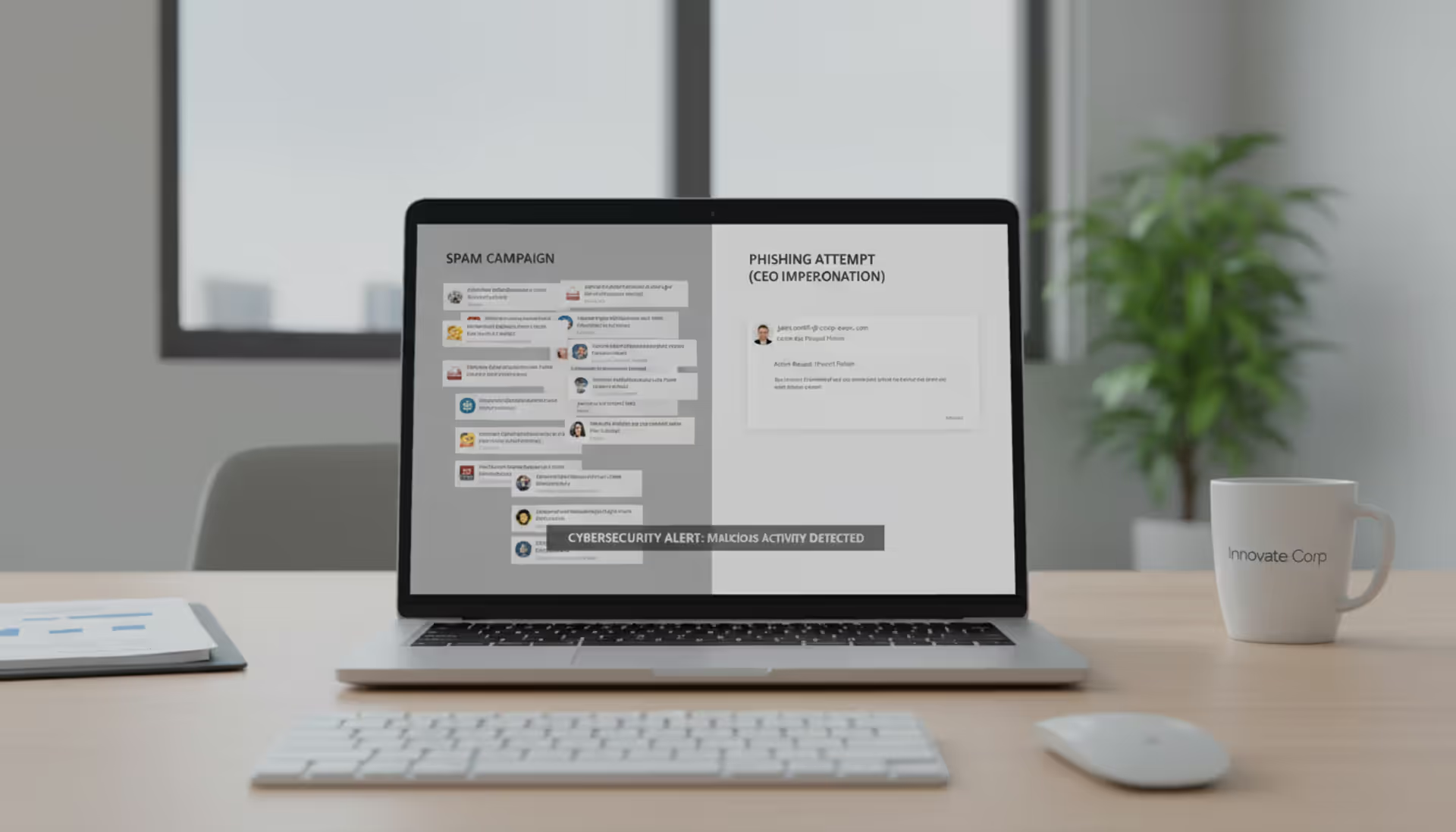
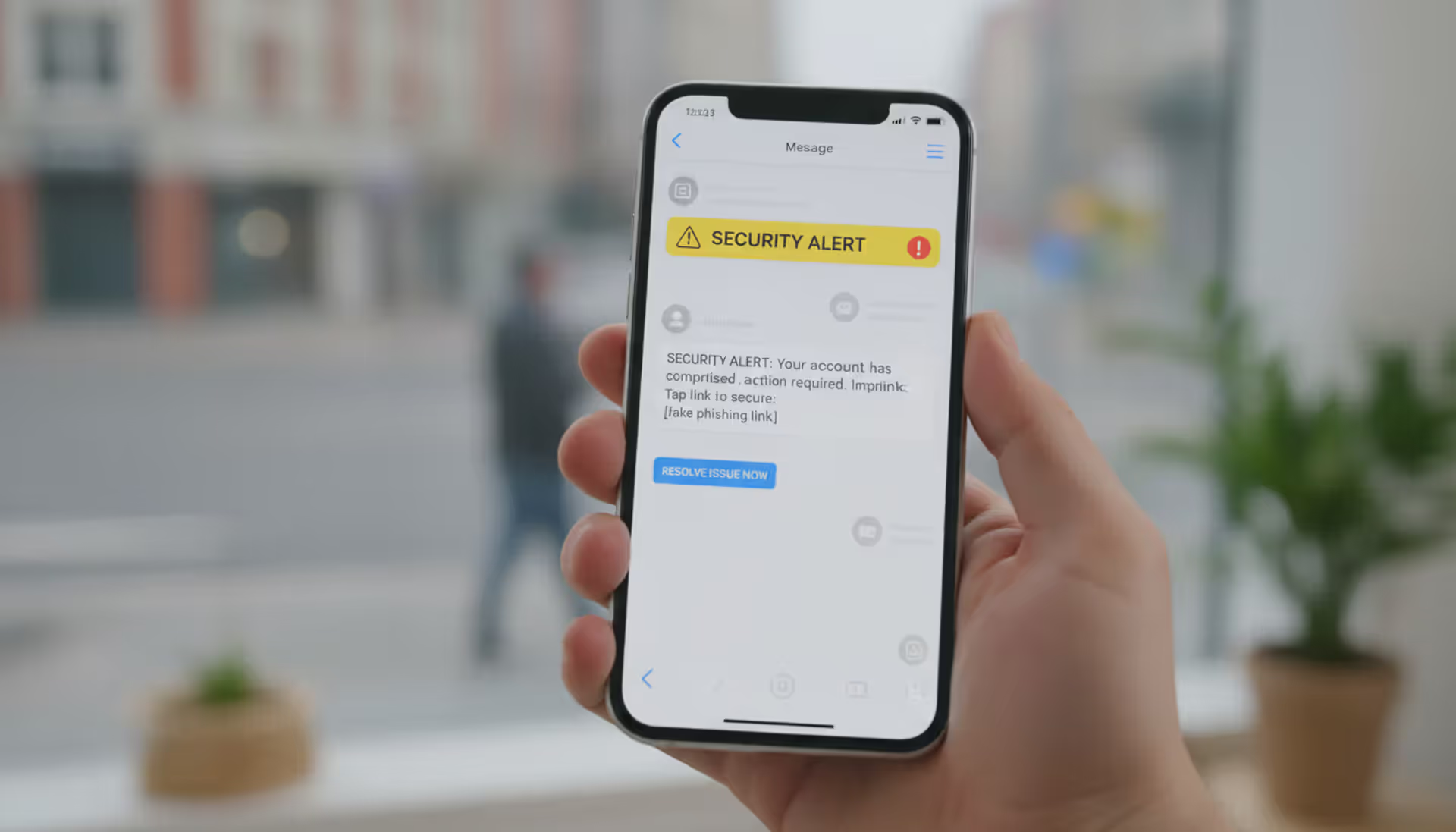
Throughout the site, readers can explore topics related to phishing attacks, online scams, password security, and multi-factor authentication (MFA). The content also discusses common threats such as malware, ransomware, and brute force attacks, as well as best practices for cyber hygiene and risk management. In addition, the site explains how cybersecurity awareness connects with everyday online activities, including email use, browsing, and protecting personal and business data.
Read more
Top Stories
Read more
Read more
Read more

Read more
Trending

Read more

Read more

Latest articles



Most read
Read more
Read more
In depth
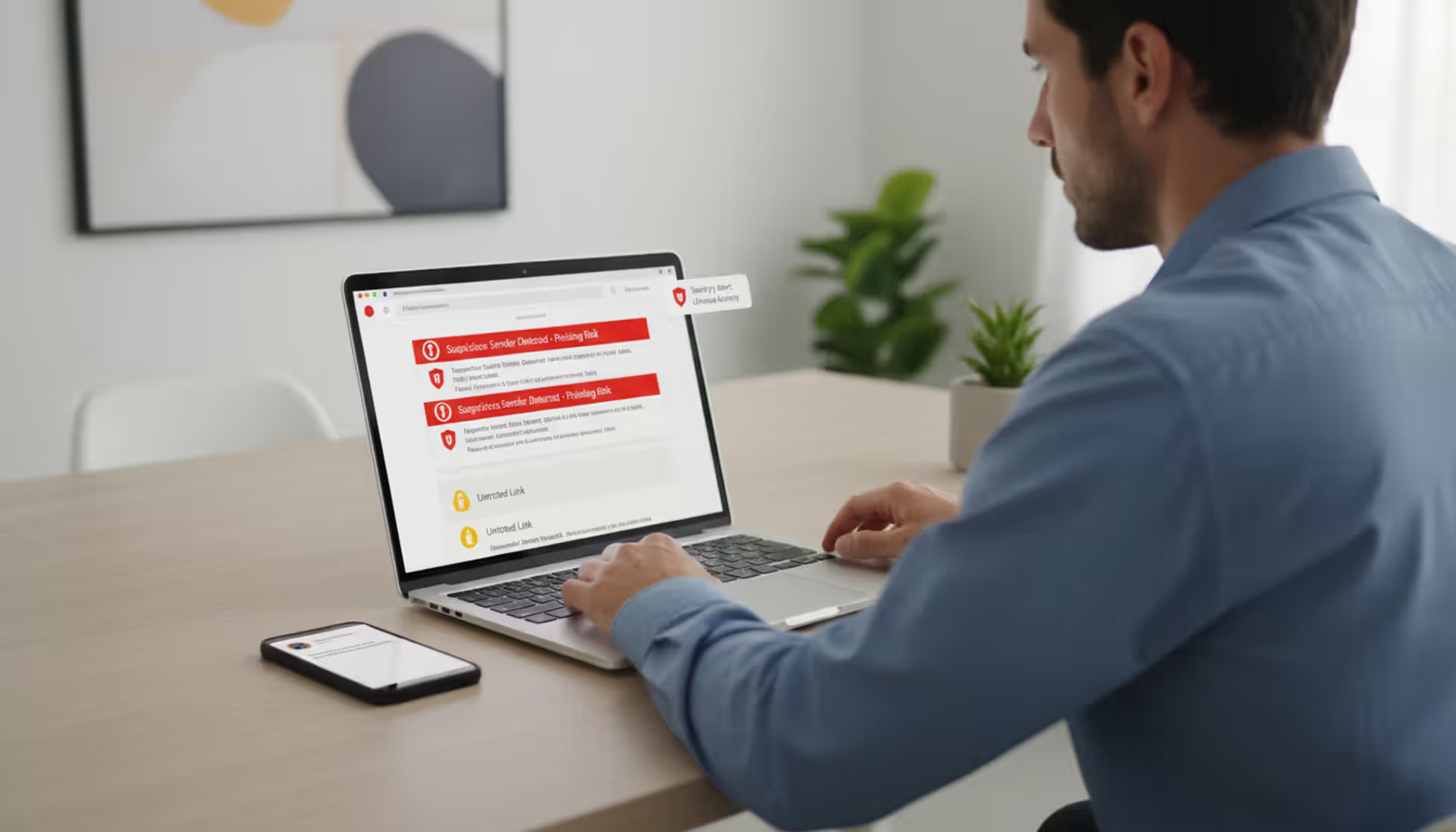
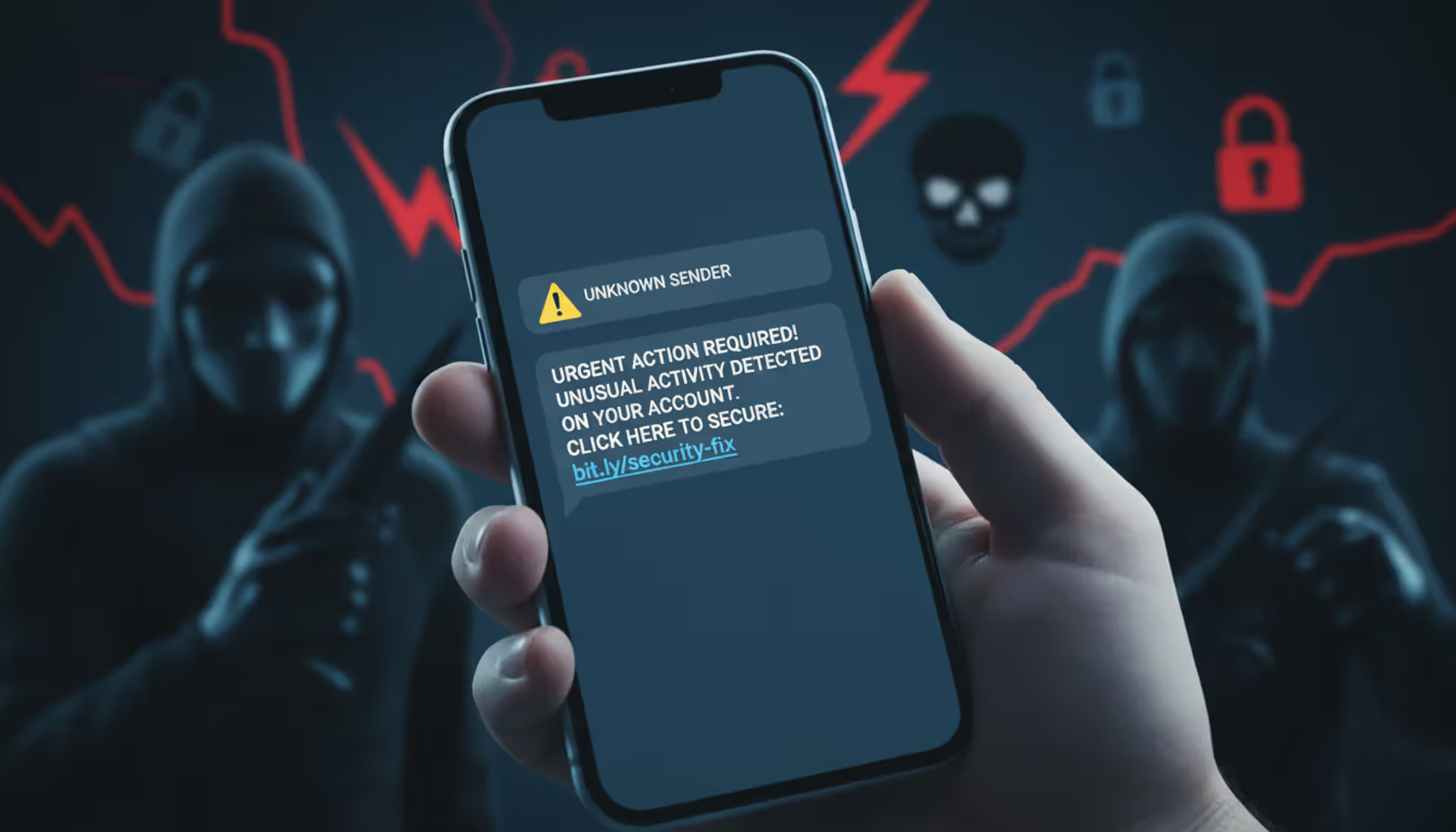
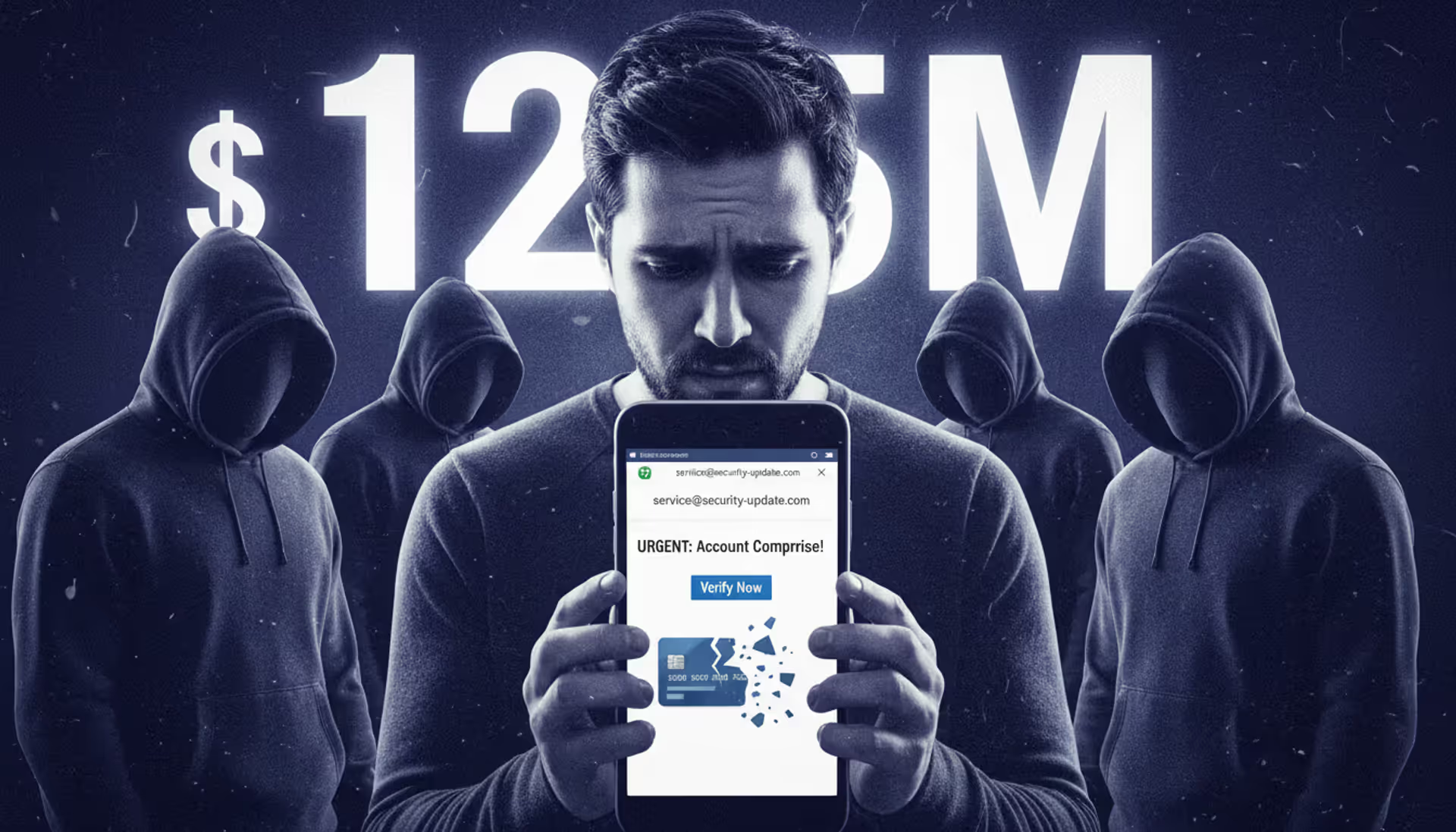
Last year, scammers stole $12.3 billion through phishing schemes. That's more than Barbados generates in GDP annually. Here's what should worry you more: when researchers test company defenses with fake phishing emails, about 11% of recipients click anyway. And we're talking about employees who've sat through security training.
Even tech companies—places where everyone supposedly knows better—see 7% of their staff give up credentials to well-crafted fakes.
Why do these cons keep working? Attackers figured out something important years ago. You don't need sophisticated malware when you can trick someone into handing over their password. Psychology beats technology every time.
Let's examine what the numbers actually tell us.
Current Phishing Attack Rates and Trends
The Anti-Phishing Working Group counted 5.2 million distinct phishing campaigns in 2025. That's up from 3.88 million the year before—a 34% jump.
Break that down to daily numbers? Around 14,250 new campaigns start every single day.
Your company's email system probably sees about 1,185 phishing attempts monthly. Email filters catch most of them—roughly 3.4 billion got blocked last year across all systems. But 2.1% slip through anyway. Sounds small, right? Except that percentage translates to millions of malicious messages actually landing in inboxes.
Once there, 11.3% of people who see them click. Run those numbers for a 500-person company. You're dealing with approximately 67 dangerous clicks each month, assuming average expo...
Read more
The content on this website is provided for general informational and educational purposes only. It is intended to explain concepts related to cybersecurity awareness, online threats, phishing attacks, and data protection practices.
All information on this website, including articles, guides, and examples, is presented for general educational purposes. Cybersecurity risks and protection strategies may vary depending on individual behavior, technology usage, and threat environments.
This website does not provide professional cybersecurity, legal, or technical advice, and the information presented should not be used as a substitute for consultation with qualified cybersecurity professionals.
The website and its authors are not responsible for any errors or omissions, or for any outcomes resulting from decisions made based on the information provided on this website.